- Tel: +86 13451474678 / 13451474678
- Email: / hbzinanmech@gmail.com


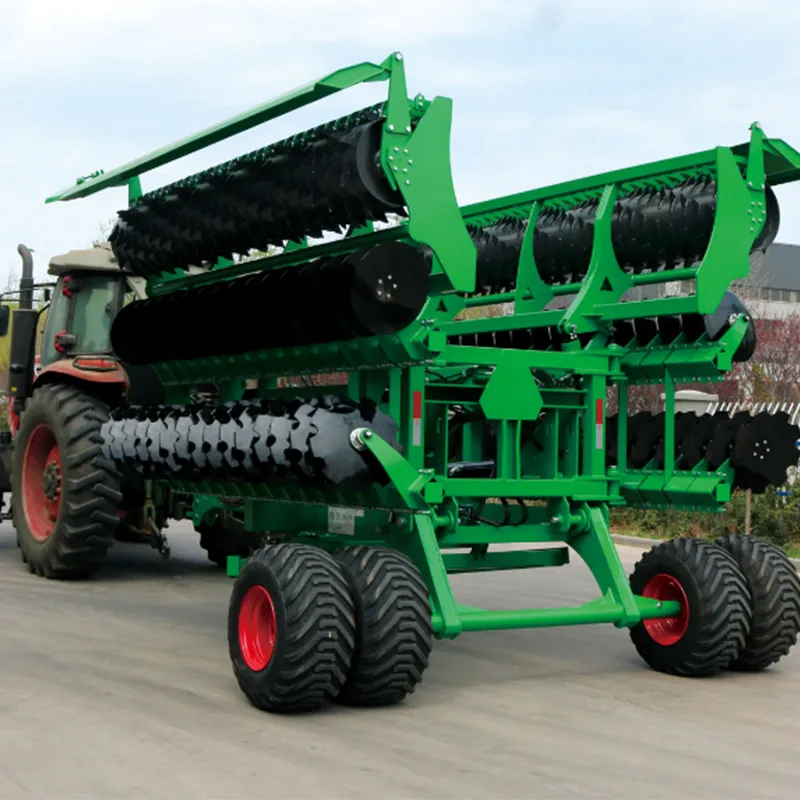
gearbox transmission
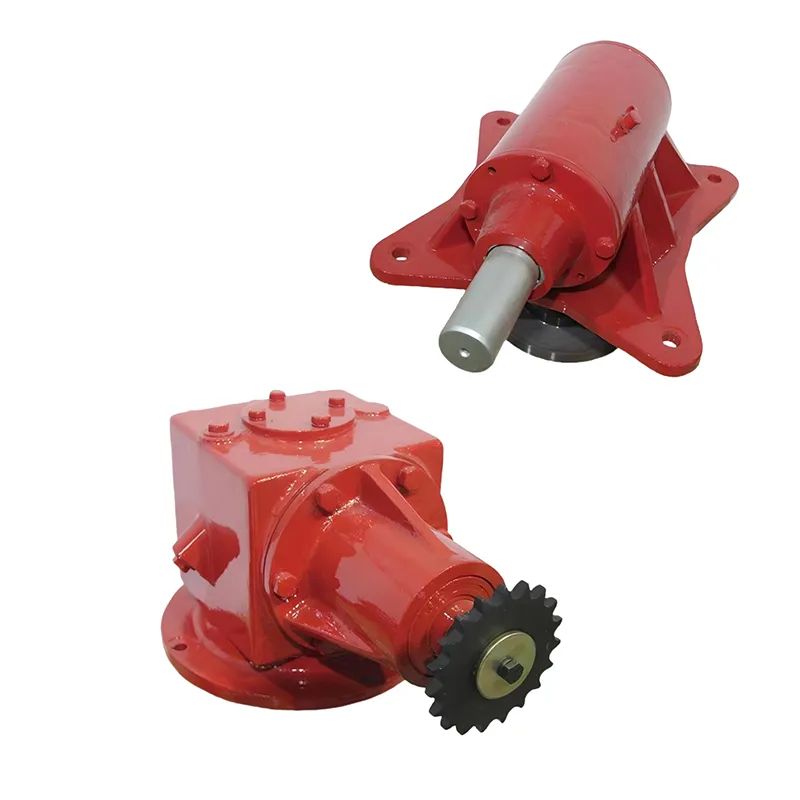
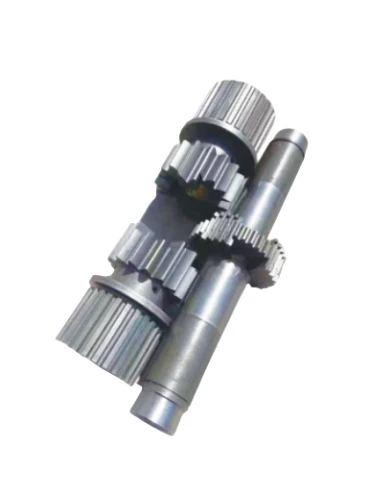
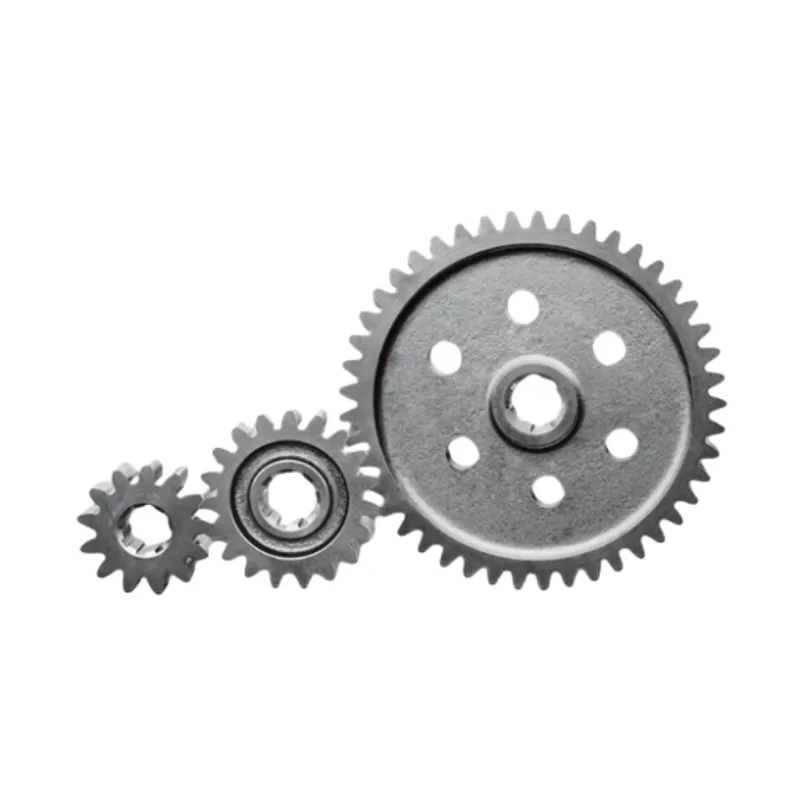
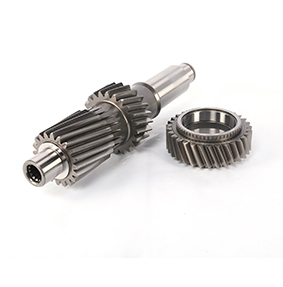
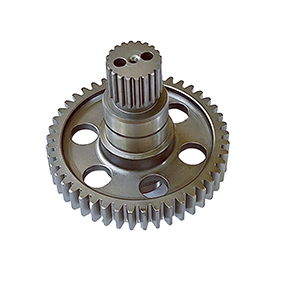
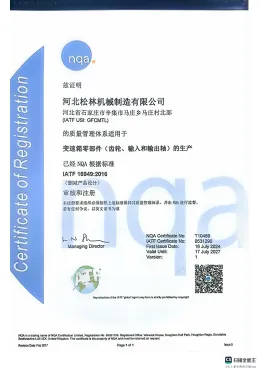
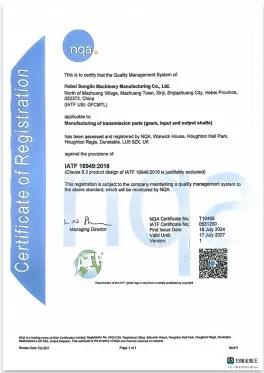
Introduction to High-Performance transmission gears in Industrial Applications In the realm of industrial machinery and power transmission systems, the integrity and performance of transmission gears are paramount. These critical components are the backbone of various mechanical systems, facilitating the transfer of power, modifying torque, and adjusting rotational speed with exceptional precision and reliability. From heavy-duty industrial operations to intricate precision mechanisms, the demand for robust, efficient, and durable transmission gears continues to drive innovation in materials science, manufacturing processes, and design engineering. Understanding their technical specifications, manufacturing intricacies, and diverse application scenarios is crucial for B2B decision-makers and engineers seeking optimal operational performance and longevity. Industry Trends and Market Dynamics for Transmission Gears The market for transmission gears is characterized by a continuous push towards higher power density, improved efficiency, and enhanced durability. Key trends influencing this sector include: Advanced Materials: Adoption of high-strength alloy steels, case-hardening steels, and even composite materials to withstand extreme loads and environmental conditions. Precision Manufacturing: Increased reliance on advanced CNC machining, grinding, and superfinishing techniques to achieve tighter tolerances, superior surface finishes, and reduced noise and vibration. Energy Efficiency: Design optimization for reduced friction losses, leading to significant energy savings in industrial applications. This includes innovative tooth profiles and lubrication systems. Miniaturization: Development of compact yet powerful gear solutions to meet the demands of space-constrained applications without compromising performance. Smart Manufacturing & IoT Integration: Implementation of sensors for real-time monitoring of gear performance, temperature, and wear, enabling predictive maintenance and optimizing operational lifespan. Customization: A growing demand for custom transmission gears tailored to specific application requirements, including unique gear ratios, profiles, and material treatments. These trends collectively aim to enhance the reliability, reduce the total cost of ownership, and extend the service life of gear systems across diverse industries. Companies like gearstar transmissions and other specialized manufacturers are at the forefront of these innovations, continually pushing the boundaries of what is possible in power transmission. Technical Specifications and Parameters The performance of transmission gears is defined by a range of critical technical parameters. Understanding these specifications is essential for selecting the appropriate gear for a given application. Key Gear Parameters: Module/Diametral Pitch: Defines the size of the gear teeth, impacting load capacity and overall gear dimensions. Pressure Angle: The angle at which the force is transmitted between meshing teeth, typically 20 or 25 degrees for optimal balance of strength and smooth operation. Number of Teeth: Directly influences the gear ratio and rotational speed transformation. Material: Common materials include alloy steels (e.g., 42CrMo, 20CrMnTi), case-hardened steels, and stainless steels, chosen for their strength, wear resistance, and fatigue life. Hardness: Surface hardness (e.g., HRC 58-62 for case-hardened gears) and core hardness are critical for wear resistance and toughness. Precision Grade: Adherence to international standards like ISO 1328 or AGMA 2015, dictating manufacturing tolerances and influencing noise, vibration, and backlash. Surface Finish: Measured in Ra (Roughness average), a finer finish reduces friction and extends life. Typical Product Specification Table for Transmission Gears : Parameter Specification Range Typical Value/Material Material Alloy Steel (e.g., 20CrMnTi, 42CrMo), Carbon Steel, Stainless Steel 20CrMnTi (Case Hardened) Module (m) 1.0 to 30.0 (or larger upon request) 5.0 Pressure Angle 14.5°, 20°, 25° 20° Precision Grade ISO 4-9 (AGMA 12-7) ISO 6 (AGMA 10) Surface Hardness HRC 58-62 (Case Hardened), HB 220-300 (Through Hardened) HRC 60 ± 2 Surface Roughness (Ra) 0.4 - 3.2 µm 0.8 µm (for ground gears) Heat Treatment Carburizing & Quenching, Nitriding, Induction Hardening Carburizing & Quenching Detailed Manufacturing Process Flow for Transmission Gears The production of high-quality transmission gears involves a meticulous multi-stage process, integrating material selection, advanced manufacturing techniques, and stringent quality control. The typical process flow ensures the final product meets the demanding specifications for durability, precision, and performance. Schematic Steps: 1. Material Selection & Procurement Selection of high-grade alloy steels (e.g., 20CrMnTi, 42CrMo) based on required strength, hardness, and wear resistance. 2. Forging or Casting Initial shaping of the blank. Forging (hot or cold) enhances material strength and grain structure. Casting is used for complex shapes or larger gears. 3. Annealing & Normalizing Heat treatments to relieve internal stresses, improve machinability, and refine grain structure prior to cutting. 4. Rough Machining (CNC) Initial turning, boring, and facing using CNC lathes to bring the blank close to net shape, leaving material for finishing. 5. Gear Cutting (Hobbing/Shaping) Formation of gear teeth using hobbing (for helical/spur gears) or shaping (for internal/cluster gears). Precision is critical here. 6. Heat Treatment (Carburizing/Nitriding) Case hardening processes (e.g., carburizing and quenching) to achieve high surface hardness (HRC 58-62) for wear resistance while maintaining a tough core. 7. Finish Machining (Grinding/Honing) Precision grinding of tooth flanks and critical dimensions after heat treatment to correct distortion, achieve final dimensional accuracy, and improve surface finish to sub-micron levels. 8. Quality Control & Testing Comprehensive inspection for dimensional accuracy, tooth profile, lead, runout, hardness, and material integrity using CMMs and specialized gear testing equipment. Adherence to ISO, ANSI, and AGMA standards. 9. Surface Treatment & Packaging Application of rust preventive coatings or other surface treatments. Secure packaging for transportation. These stringent processes ensure a service life typically exceeding 20,000 operational hours under rated loads, and often significantly more under optimized conditions. Testing standards such as ISO 1328 for gear accuracy and ANSI/AGMA 2000-A88 for gear classification are rigorously applied. Application Scenarios and Target Industries The versatility and robustness of transmission gears make them indispensable across a wide array of heavy industries and precision applications. Their ability to reliably transmit power under varying conditions is critical for operational continuity and efficiency. Key Target Industries: Petrochemical Industry: Used in pumps, compressors, agitators, and mixers where continuous, heavy-duty operation and resistance to corrosive environments are crucial. Our gears demonstrate superior corrosion resistance through specialized coatings and material choices, enhancing operational safety and reducing maintenance. Metallurgy & Mining: Essential for rolling mills, crushers, conveyors, and heavy lifting equipment. The high load capacity and wear resistance ensure longevity in abrasive and high-impact conditions. Water Supply & Drainage: Integrated into large-scale pump systems and treatment plant machinery. Energy-saving designs minimize power consumption for continuous, high-volume fluid management. Power Generation: Found in turbines, gearboxes for generators, and cooling systems. High precision ensures minimal vibration and maximum efficiency in critical energy infrastructure. Construction & Heavy Equipment: Drivetrains for excavators, bulldozers, cranes, and specialized vehicles requiring immense torque and reliability in harsh outdoor conditions. Marine & Offshore: Propulsion systems, winches, and auxiliary machinery on ships and offshore platforms, where resistance to saltwater corrosion and extreme loads is paramount. In these scenarios, the advantages of well-engineered transmission gears manifest as enhanced energy saving, significantly extended service life, and robust corrosion resistance, leading to reduced operational costs and improved system uptime. Technical Advantages of Our Transmission Gears Our commitment to precision engineering and material science translates into distinct technical advantages for our transmission gears : Superior Load-Bearing Capacity: Engineered from high-strength alloy steels and precision heat-treated, our gears can transmit higher torque and withstand greater radial and axial loads than conventional alternatives. Extended Service Life: Advanced surface treatments such as carburizing and precision grinding result in optimal surface hardness and minimal wear, significantly extending operational life and reducing the frequency of replacements. Our gear life expectancy often surpasses 50,000 hours under specified operating conditions. Enhanced Efficiency (Energy Saving): Optimized tooth profiles and ultra-fine surface finishes minimize friction losses during meshing. This leads to higher power transmission efficiency, often exceeding 98% for a single gear pair, directly contributing to energy savings and lower operating costs. Exceptional Corrosion Resistance: For applications in aggressive environments (e.g., chemical processing, marine), we offer specialized materials like stainless steel or advanced protective coatings, ensuring long-term integrity against corrosion and chemical attack. Reduced Noise and Vibration: High precision manufacturing, including gear grinding and honing, ensures highly accurate tooth geometry and minimal runout, resulting in quieter operation and reduced vibrational stress on associated machinery. High Dimensional Accuracy: Manufactured to ISO 6 (AGMA 10) or higher precision grades, our gears offer minimal backlash and precise motion control, crucial for applications requiring exact positioning. These advantages collectively position our products as a reliable choice for industries demanding robust, efficient, and long-lasting power transmission solutions. Vendor Comparison: Key Differentiators Selecting the right vendor for transmission gears is a critical decision impacting system performance and reliability. While many suppliers exist, key differentiators set leading manufacturers apart. Vendor Comparison Criteria: Criterion Leading Manufacturer (e.g., Zinanmech) Standard Vendor Precision Grade (ISO) ISO 6 (AGMA 10) and higher ISO 8-9 (AGMA 8-7) Material Traceability Full metallurgical certification for all batches Limited or basic material certificates Customization Capability Extensive (geometry, material, heat treatment, coatings) Limited to minor modifications of standard products Quality Control & Testing CMM, gear profile/lead testers, hardness, NDT; full compliance with ISO/ANSI Basic dimensional checks Engineering Support Dedicated application engineers, design optimization, post-sales support Standard product literature only Warranty & Service Life Comprehensive warranty, documented service life metrics Standard limited warranty Choosing a specialist vendor ensures access to superior engineering, materials, and manufacturing processes, leading to more reliable, efficient, and cost-effective long-term solutions for your power transmission needs, unlike a general provider who may only stock standard parts without specialized knowledge or capabilities. Customized Solutions for Specialized Transmission Gears While standard transmission gears meet many requirements, critical applications often necessitate custom transmission gears . Our engineering team specializes in developing bespoke gear solutions tailored to unique operational demands, space constraints, or performance targets. This process involves a collaborative approach from concept to final product. Customization Capabilities Include: Unique Gear Geometries: Custom tooth profiles, helix angles, face widths, and diameters to achieve specific gear ratios, load distribution, or noise reduction targets. Specialized Materials: Utilization of exotic alloys, high-performance plastics, or non-ferrous metals for extreme temperatures, chemical resistance, or lightweight requirements. This includes materials suitable for vacuum or cryogenic environments. Advanced Heat Treatment Processes: Tailored heat treatment protocols such as plasma nitriding, induction hardening, or through-hardening to achieve specific hardness profiles and mechanical properties for optimal performance and longevity. Integrated Design: Designing gears as part of a larger assembly, such as an integrated shaft or a cluster gear, to reduce complexity and improve overall system efficiency. Protective Coatings: Application of specialized coatings (e.g., DLC, hard chrome plating, phosphate coatings) for enhanced wear resistance, reduced friction, or superior corrosion protection in demanding environments. Precision Standards: Manufacturing to ultra-high precision grades (e.g., ISO 4-5) for aerospace, robotics, or medical applications where minimal backlash and extreme accuracy are paramount. Our engineering prowess, combined with state-of-the-art manufacturing facilities, allows us to deliver precision custom transmission gears that integrate seamlessly into your most challenging applications, delivering optimal performance and reliability. Application Case Studies & Client Successes Our expertise in transmission gears has been validated through numerous successful deployments across various industries. Here are illustrative examples of how our solutions have delivered tangible benefits: Case Study 1: Heavy-Duty Mining Equipment Challenge: A major mining corporation faced frequent failures of gearbox transmission gears in their excavators due to extreme shock loads and abrasive dust conditions, leading to costly downtime. Solution: We engineered custom transmission gears using a proprietary high-toughness alloy steel (42CrMo modified), enhanced with deep carburizing and cryogenic treatment. The gears were designed with optimized tooth profiles to better distribute stress. Result: Gear service life increased by over 150%, reducing unscheduled maintenance by 60% and saving the client an estimated $1.2 million annually in repair and downtime costs. Case Study 2: High-Speed Textile Machinery Challenge: A textile manufacturer required transmission gears for new high-speed looms that offered exceptionally low noise, minimal vibration, and high energy efficiency to meet strict environmental and operational targets. Solution: We supplied precision-ground helical gears manufactured to ISO Grade 5 (AGMA 11) using through-hardened 34CrNiMo6 steel, followed by fine-pitch grinding. The gears featured a modified tooth contact pattern to reduce meshing noise. Result: Noise levels were reduced by 8 dB, and energy consumption decreased by 7% compared to previous solutions. The client reported improved operational stability and compliance with stringent workplace noise regulations. Authoritativeness & Certifications Our commitment to quality and technical excellence is underscored by comprehensive certifications and a robust history of client partnerships. We adhere strictly to international standards, ensuring that every transmission gear we produce meets or exceeds industry benchmarks. ISO 9001:2015 Certified: Demonstrates our consistent commitment to quality management systems throughout design, production, and service. Compliance with ANSI/AGMA Standards: Our gears consistently meet or surpass the rigorous American Gear Manufacturers Association (AGMA) standards for precision, materials, and testing. Material Certifications: All raw materials are sourced from approved suppliers and accompanied by full metallurgical reports, ensuring traceability and quality from ingot to final product. Over 20 Years of Industry Experience: With two decades of specialized experience, we have honed our expertise in gear manufacturing and engineering for diverse industrial sectors. Key Partner Clients: Our clientele includes leading enterprises in petrochemical, metallurgy, and heavy machinery sectors, a testament to the trust and reliability our products command. Advanced Testing Facilities: Equipped with state-of-the-art CMMs, gear profile and lead testers, hardness testers, and non-destructive testing (NDT) capabilities to ensure every product's integrity. Our adherence to these authoritative benchmarks ensures that clients receive transmission gears that are not only high-performing but also consistently reliable and compliant with global industry specifications. Trustworthiness: FAQ, Lead Time, Warranty & Support Building long-term partnerships is founded on transparency, reliability, and robust support. We aim to provide clear information and assurances for all our clients. Frequently Asked Questions (FAQ): Q: What types of transmission gears do you offer? A: We offer a wide range including spur, helical, bevel, worm, and rack and pinion gears, available in standard and custom configurations. Q: What is your typical lead time for custom transmission gears ? A: Lead times vary based on complexity and order volume. For standard products, it's typically 4-6 weeks. For custom designs, it can range from 8-16 weeks after design approval. Expedited options are available upon request. Q: Do you provide design assistance for specific applications? A: Yes, our experienced engineering team offers comprehensive design and application support to ensure optimal gear selection and performance for your specific needs. Q: What are your warranty commitments? A: We provide a comprehensive 12-month warranty against defects in materials and workmanship for all our transmission gears , effective from the date of shipment. Extended warranty options are available. Fulfillment Details: We manage a robust supply chain to ensure timely and efficient delivery. Our production capacity is designed to handle both large-volume orders and specialized one-off requests with consistent quality. Global shipping options are available, with secure packaging tailored to protect products during transit. Customer Support: Our dedicated customer support team is available to assist with technical inquiries, order status, and after-sales service. We offer expert guidance on installation, maintenance, and troubleshooting to maximize the lifespan and performance of our transmission gears . Your satisfaction and operational success are our top priorities. References American Gear Manufacturers Association (AGMA). Standards and Publications. www.agma.org International Organization for Standardization (ISO). ISO 1328-1:1995 Cylindrical gears — ISO system of accuracy — Part 1: Definitions and allowable values of deviations relevant to corresponding flanks of gear teeth. www.iso.org Dudley, D. W. (1994). Gear Handbook: The Design, Manufacture, and Application of Gears. McGraw-Hill. Shigley, J. E., & Mischke, C. R. (2001). Mechanical Engineering Design. McGraw-Hill. ASM International. (2002). ASM Handbook, Vol 4: Heat Treating. ASM International.
-
0YEARS IN THE FIELD
-
0 KEXPERIENCED STAFFS
-
-
-
0 kACCOMPLISHED PROJECT
-
0SATISFIED CLIENTS
-
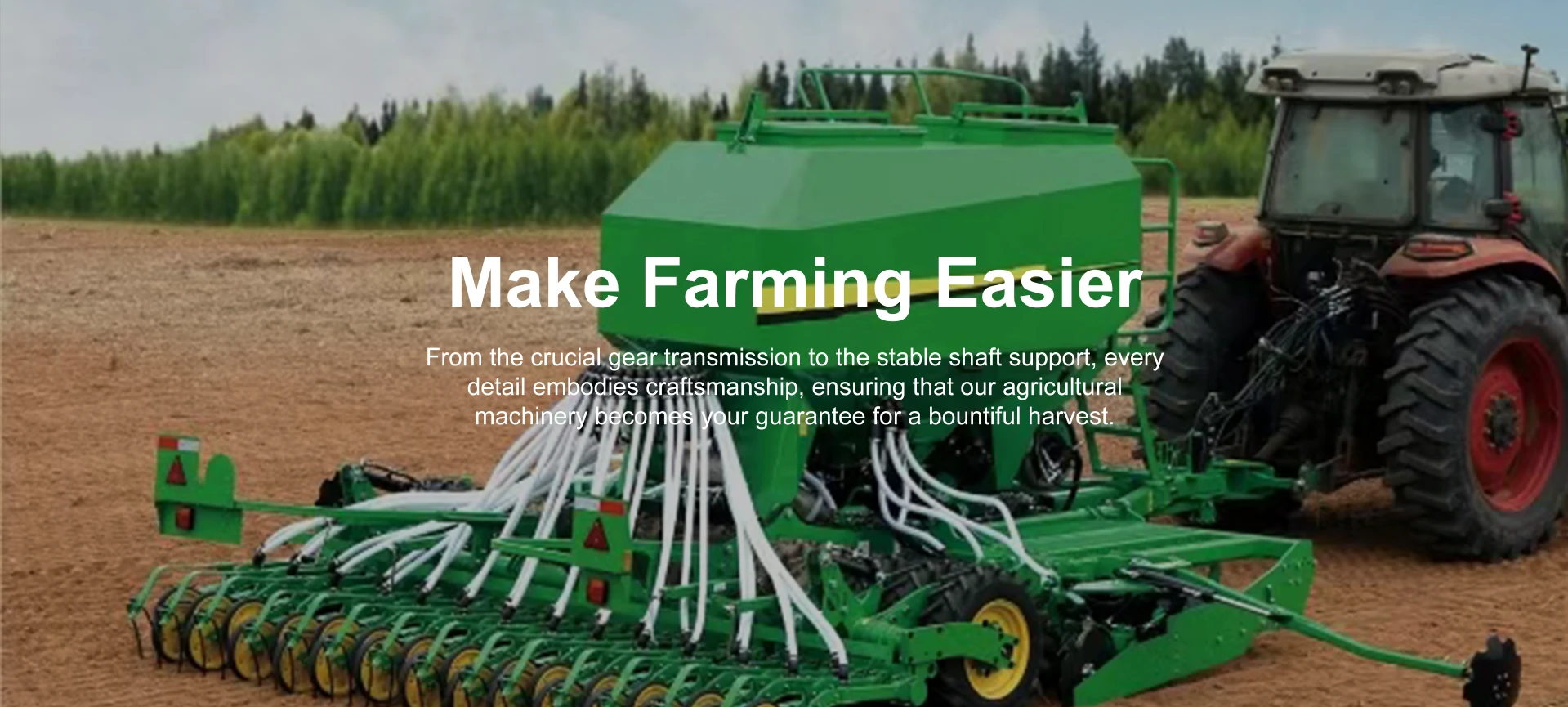
01The Application of Agricultural Machinery Gears In The IndustryAgricultural machinery gears are widely used in the agricultural machinery industry. In tractors, gears are applied to the transmission system. They can transmit the power from the engine to the wheels and achieve different speeds and torques through different gear combinations, so as to adapt to various working conditions such as plowing and transportation.
-
02Application of ComponentsIn agricultural machinery, the gearbox is mainly used to change the transmission ratio. Taking a tractor as an example, when the tractor needs to drive slowly in the field to cultivate the land and other operations, the gearbox can transmit the power of the engine through a lower transmission ratio, thereby outputting a larger torque to ensure that the agricultural machine has enough power to drive the agricultural implement for deep farming and other operations.
-
03Application of Agricultural MachineryField operations: Tractors are one of the most important power machines in agricultural production. In cultivated land operations, it can use powerful power to drive ploughshares to till the land by mounting ploughs to turn, break and level the soil, creating good soil conditions for sowing. For cultivator operations, it can mount cultivators to perform operations such as weeding, loosening and soil cultivation during crop growth to promote the growth of crop roots and nutrient absorption.
International layout
Spread all over the world
Our agricultural machinery products have won wide recognition and trust in the global market, and our sales network covers many countries and regions.

-
2026-04-05 01:36Air Suction No-Till Seeder-Precision Farming Technology_Seed Depth Control&Soil CoverageThe Air Suction No-Till Seeder represents a significant advancement in agricultural technology, desi>
-
2026-04-05 01:19Need a precision helical gear with low noise and high load_Inside the Tractor Transmission: The helical gear advantage If you’ve ever wondered why modern tract>
-
2026-04-04 23:09High-Quality Spline Shafts for Sale - Durable & Precision EngineeredIndustry Trends in Power Transmission Components The global market for power transmission components>
Sign up
for Newsletter
Subscribe to the weekly newsletter for all the latest updates